Key takeaways
- Raw wildflower honey has a variable, layered flavour shaped by whatever is blooming near the hive at the time.
- Expect floral sweetness with fruity, herbal or slightly peppery undertones, never a single flat sugariness like blended supermarket honey.
- Colour is a rough (not exact) guide to flavour: lighter honey tends to be milder and floral, darker honey richer and more robust.
- Raw, unheated honey retains natural aromas, pollen and enzymes that heat-treated honey loses, so it tastes more alive and complex.
- Tasting honey properly (warming it slightly, letting it sit on the tongue) reveals far more nuance than a quick spoonful straight from the fridge.
Raw wildflower honey has a taste profile that is genuinely hard to pin down, and that's the whole point. Expect a layered sweetness with floral top notes, followed by fruity, herbal or slightly earthy undertones, finishing with a warmth that can range from gentle to peppery. Because it's made from whatever wildflowers, hedgerow blossom and wild herbs happen to be flowering near the hive, no two batches taste quite the same, which is exactly why raw wildflower honey is so different from the flat, one-note sweetness of blended supermarket honey.
What Does Wildflower Honey Actually Taste Like?
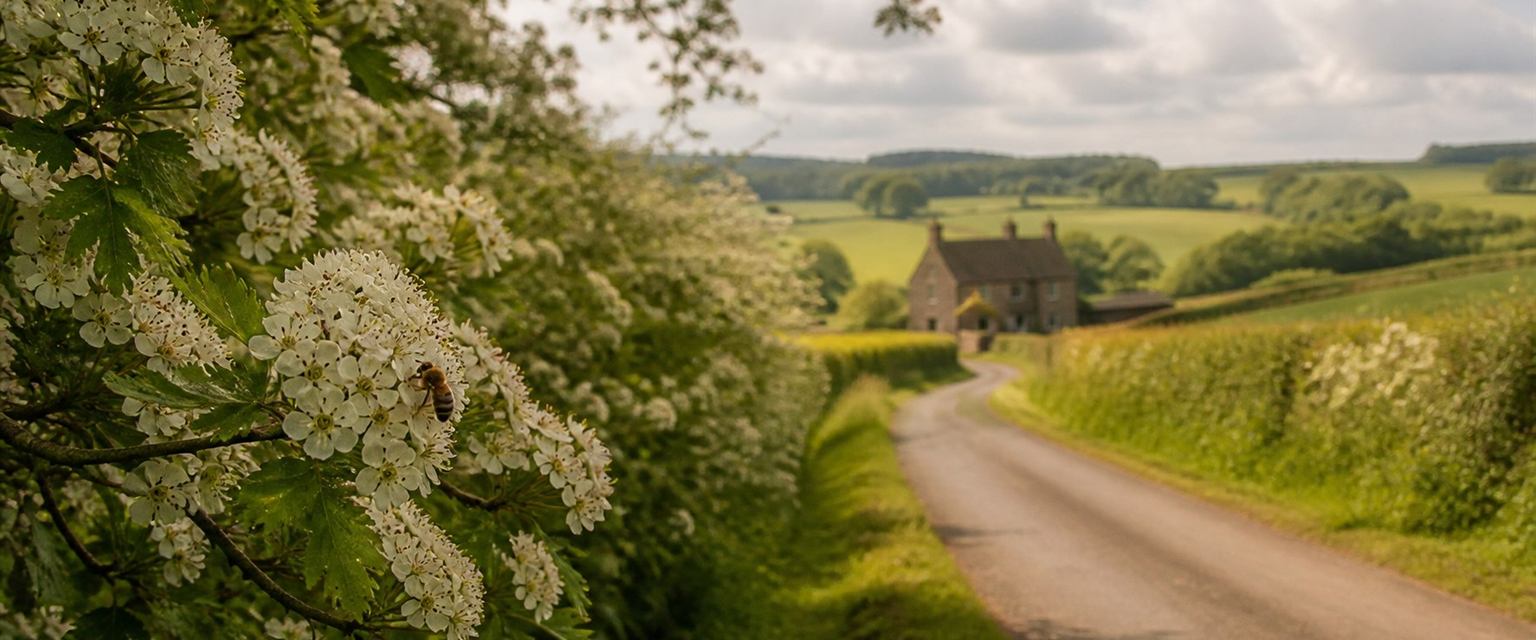
Unlike single-source honeys such as heather or blossom, wildflower honey is a blend of nectar from many plants, dandelion, clover, bramble, hawthorn, wild herbs and whatever else is in flower that season. The result is a rounded, complex flavour rather than one dominant note.
Common wildflower honey flavour notes include:
- Floral sweetness, often with a light, almost perfumed quality
- Fruity undertones, sometimes reminiscent of apple, citrus or stone fruit
- Herbal or grassy notes, especially in honey gathered from meadows and hedgerows
- A gentle warmth or spice on the finish, particularly in darker varieties
- A faint mineral or earthy backbone, more noticeable in honey from later in the season
Because the exact mix of flowers changes with the weather, the region and even the week it was collected, the same beekeeper's wildflower honey can taste subtly different from one jar to the next. That variability is a feature, not a flaw. It's a small, edible record of a particular patch of British countryside at a particular moment.
Why Raw, Unheated Honey Tastes Different
Most honey sold on supermarket shelves has been filtered and heat-treated to make it clear, runny and shelf-stable for longer. Unfortunately, heat also drives off many of the delicate aromatic compounds that give honey its character, and filtering strips out the pollen that carries much of its regional identity.
Raw honey, by contrast, is simply extracted from the comb and lightly strained, never heated above hive temperature. This preserves:
- Natural enzymes, which contribute subtle depth of flavour
- Fine pollen grains, which carry aroma and a faint textural graininess
- Volatile aromatic compounds, which are easily lost to heat
This is why raw wildflower honey tends to taste brighter, more textured and more "alive" than blended or imported honey, which often relies on volume and consistency rather than character. If you want to taste the difference for yourself, find raw honey from a beekeeper near you and compare it side by side with a supermarket jar.
Light vs Dark Honey Taste: What's the Difference?
Colour is one of the easiest ways to get a rough sense of what a honey might taste like, though it's never an exact science. As a general rule:
Light honey (pale gold to amber) tends to be:
- Milder and more floral
- Sweeter with less bitterness
- Delicate on the finish
Early-season wildflower honey and most blossom honey fall into this category, often tasting of orchard fruit, light florals and clean sweetness.
Dark honey (deep amber to almost black) tends to be:
- Richer, with more pronounced malt, treacle or caramel notes
- Slightly bitter or savoury on the finish
- More robust and lingering
Heather honey is the classic British example of a dark, characterful honey. It's famously thick (sometimes almost jelly-like when raw and unfiltered) with a distinctive, slightly bitter, almost wine-like depth that sets it apart from anything you'd find in a supermarket blend.
Wildflower honey can sit anywhere along this spectrum depending on the season and the flowers available, which is part of why tasting a few different jars is genuinely worthwhile.
A Simple Honey Tasting Guide
Tasting honey properly takes a little more attention than eating it straight off a spoon, but it doesn't need to be complicated. Try this approach:
- Bring it to room temperature. Honey straight from the fridge mutes aroma and flavour. Let it sit out for a few minutes first.
- Look at the colour and texture. Note whether it's pale and runny, deep and thick, or somewhere in between. This gives you an early clue to what's coming.
- Smell it before tasting. Aroma is a huge part of flavour. Floral, fruity, herbal or earthy notes often show up on the nose before they register on the tongue.
- Take a small amount and let it sit on your tongue. Resist swallowing straight away. Let it warm and spread, and notice how the flavour changes from first taste to finish.
- Pay attention to the aftertaste. Some honeys are sweet throughout; others build to a peppery, bitter or warming finish. This is often where the most character lives.
- Compare with something plain, like plain crackers or bread. This resets your palate between tastings if you're trying more than one jar.
Doing this with two or three raw honeys side by side, say a light wildflower, a heather and a blossom honey, is one of the best ways to properly understand how varied real honey can be.
Why Provenance Matters for Flavour
The taste of raw wildflower honey is inseparable from where and when it was made. A jar from a Cornish hedgerow in early summer will taste noticeably different from one gathered on a Yorkshire moor edge in late August. Independent beekeepers, working with small numbers of hives in a specific local area, are able to capture this seasonal and regional variation in a way that large-scale, blended or imported honey simply cannot.
This is one of the main reasons Local Honey exists: to connect people with independent British beekeepers whose honey reflects real places and real seasons, rather than a standardised blend designed to taste the same in every jar, year after year. If you're curious about how your local landscape translates into flavour, browse our beekeepers directory and try a jar from someone working within a few miles of home.
Choosing Your Next Jar
If you're new to raw honey and want an easy entry point, a light, early-season wildflower honey is a gentle, floral place to start. If you already enjoy bolder flavours, look for a darker wildflower harvest, or move on to heather honey for something genuinely distinctive. Blossom honey, made largely from a single flowering tree or crop, sits nicely in between and offers a good way to taste how a more "pure" nectar source differs from a wildflower blend.
However you start, the real pleasure of raw wildflower honey lies in its unpredictability. Every jar is a small, edible snapshot of a particular patch of countryside, and no supermarket blend can offer that.
Find raw honey from a beekeeper near you
Written with the help of AI for Local Honey, championing pure, raw honey from independent British beekeepers.
This article is for general information and is not medical advice.
Frequently asked questions
Does raw wildflower honey taste the same every time?
No. Because it's made from whatever flowers are blooming near the hive at harvest time, raw wildflower honey varies by season, region and even by year. This natural variation is one of its defining characteristics, unlike blended supermarket honey, which is standardised to taste consistent.
Is darker honey always stronger tasting than lighter honey?
Generally yes, though it's a rough guide rather than a strict rule. Darker honeys such as heather honey tend to have richer, more robust, sometimes slightly bitter flavours, while lighter honeys such as early-season wildflower or blossom honey are usually milder and more floral.
Why does raw honey taste different from supermarket honey?
Most supermarket honey is heat-treated and filtered, which removes pollen and volatile aromatic compounds along with any crystallisation. Raw honey is never heated above hive temperature, so it keeps its natural texture, aroma and fuller flavour.
What's the best way to taste honey properly?
Bring it to room temperature, smell it before tasting, let a small amount sit on your tongue rather than swallowing immediately, and pay attention to the aftertaste. Comparing a few raw honeys side by side, such as wildflower, heather and blossom, makes the differences much easier to notice.
Ready to taste the real thing?
Find raw, unheated honey from an independent beekeeper near you.
Find a beekeeper