Key takeaways
- Honey provenance means knowing exactly which beekeeper, apiary and region your honey came from, not just a country of origin printed on a jar.
- Single apiary honey captures the character of one location's flora and season, so flavour, colour and texture vary naturally from batch to batch.
- Traceable honey UK schemes and direct-from-beekeeper buying let you verify raw, unheated production, unlike blended supermarket or imported honey.
- Meeting the beekeeper, whether in person, at market or via an online platform, builds trust and supports independent British beekeeping.
- Local Honey's beekeepers platform connects you directly with producers of raw wildflower, heather and blossom honey.
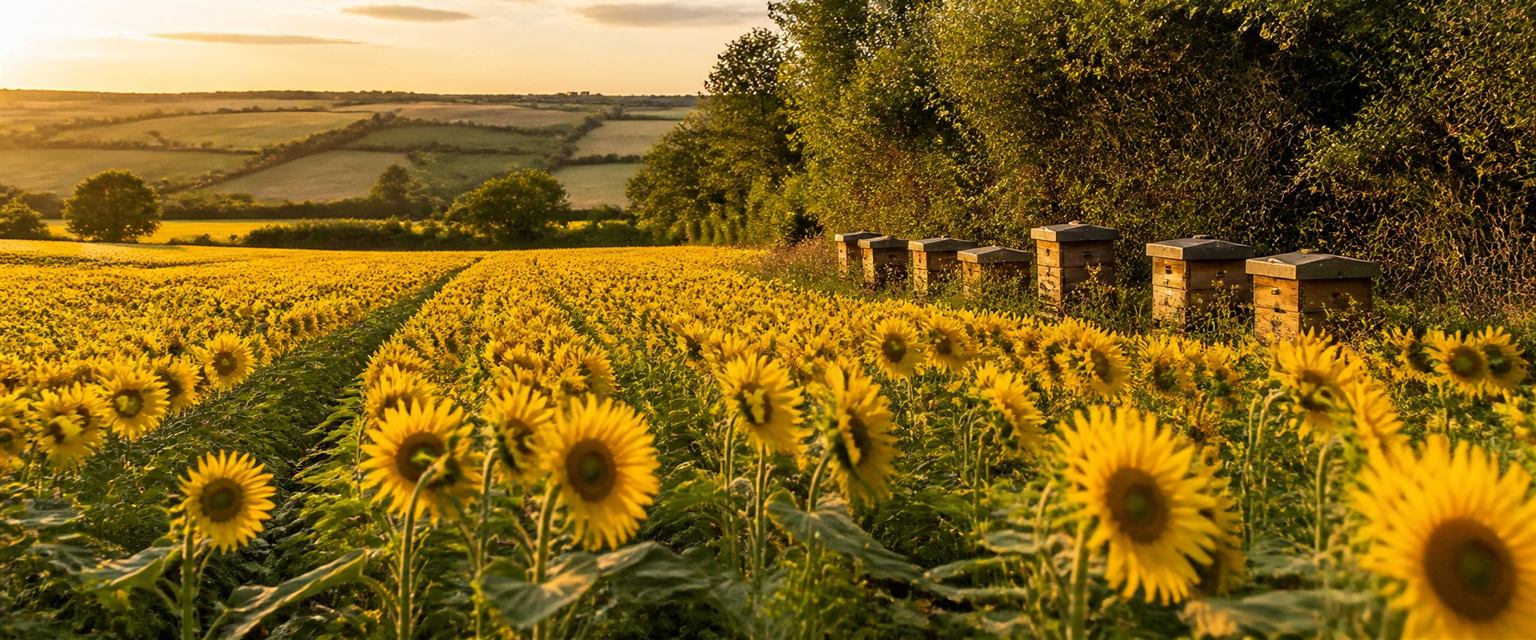
Meeting the beekeeper behind your honey means being able to trace a jar back to a named producer, a specific apiary, and the season it was harvested, rather than a vague blend of honey from multiple countries. This is what honey provenance means in practice: transparency about who made it, where the bees foraged, and how the honey was handled from hive to jar. For anyone who cares about flavour, authenticity or supporting British beekeeping, provenance is the difference between a genuine craft product and an anonymous commodity.
What Does Honey Provenance Actually Mean?
Provenance is simply the documented history of where something came from. Applied to honey, it covers three things: the beekeeper's identity, the apiary's location, and the harvest date or season. Genuine provenance also implies minimal processing. Raw honey with provenance has typically been extracted, gently strained and jarred without high-heat pasteurisation or micro-filtering, which means it keeps its natural enzymes, pollen and aroma intact.
This matters because honey labelling laws in the UK and EU allow jars to be marked "a blend of EU and non-EU honeys" without naming a single country, let alone a beekeeper. That legal minimum tells you almost nothing about quality, freshness or how the honey was produced. Provenance goes further, naming the person and place behind the product.
Why Single Apiary Honey Tastes Different Every Time
Single apiary honey comes from hives kept in one specific location, rather than being pooled from multiple sites or regions. Because bees forage within roughly a three-mile radius of their hive, the honey they produce reflects exactly what's flowering nearby that season, whether that's oilseed rape in spring, bramble and lime in early summer, or heather on the moors in late summer.
This is why two jars of raw wildflower honey from different apiaries, even in the same county, can taste noticeably different: one lighter and more floral, another darker with a earthier, mineral note. Heather honey in particular is prized for its distinctive thixotropic texture (it turns gel-like when stirred and returns to a jelly when left to settle) and its robust, almost caramel flavour, a direct result of foraging on Calluna vulgaris moorland. Blossom honey, by contrast, tends to be lighter and more delicately sweet, reflecting fruit trees and hedgerow blossom in spring.
Supermarket blends deliberately smooth out these variations to achieve a consistent taste year-round, which is understandable commercially but means you lose the sense of place, or 'terroir', that makes single apiary honey so interesting to those who seek it out.
How Traceable Honey UK Schemes Work
Traceable honey UK initiatives generally rely on a few key mechanisms:
- Named beekeeper labelling: the jar states who produced it, often with a business name or even the beekeeper's own name.
- Apiary or regional identification: some labels specify the town, county or even the exact apiary location.
- Batch and harvest dating: allows a jar to be linked back to a specific extraction run.
- Direct relationships: buying through farmers' markets, farm shops or dedicated platforms that connect consumers with individual beekeepers, rather than through anonymous wholesale supply chains.
The British Beekeepers Association has long campaigned for clearer honey labelling, partly because current EU-derived rules make it easy for blended and imported honey to be marketed without meaningful origin information. Choosing traceable honey UK options is one of the few ways consumers can be confident they're buying what they think they're buying: pure, unheated, single-origin honey rather than a warmed and filtered blend.
What to Look for When Buying Honey With Provenance
When you're choosing honey with provenance, a few practical signs help separate genuine craft honey from marketing dressed up to look artisanal:
- A named beekeeper or small producer, not just a brand name with no further detail.
- A specific location, ideally down to county or apiary, rather than "Product of more than one country."
- Raw or unheated on the label, indicating the honey hasn't been pasteurised to extend shelf life at the cost of flavour and nutritional properties.
- Visible seasonal variation, since real single apiary honey will change slightly between harvests, unlike a blended product engineered for consistency.
- A story you can verify, whether that's a website, social media presence, or the option to ask the beekeeper directly about their hives and methods.
If you want to skip the guesswork, find raw honey from a beekeeper near you through a platform that lists independent producers directly, complete with their location and the type of honey they've harvested that season.
Why Meeting the Beekeeper Changes How You Think About Honey
There's a noticeable shift in how people talk about honey once they've met the person who produced it, whether at a farmers' market stall, a local beekeeping open day, or through an online platform with beekeeper profiles. Honey stops being an interchangeable pantry staple and becomes something closer to a seasonal, regional product, more akin to wine or cheese, where provenance genuinely shapes flavour and value.
Beekeepers themselves tend to be generous with information: which fields or woodlands their bees forage, how the previous winter affected the colony, why one year's heather honey set thicker than the last. This kind of detail is impossible to get from a supermarket shelf, but it's exactly what turns buying honey from a simple purchase into an ongoing relationship with a local food producer.
Supporting individual beekeepers also has a wider benefit. Small-scale, independent beekeeping tends to prioritise colony health and sustainable hive management over maximum yield, which matters for pollinator populations more broadly. The Bee Farmers' Association and other industry bodies have highlighted the pressures facing UK beekeepers, from disease to habitat loss, making direct support through purchasing all the more meaningful.
Bringing It Together: Choosing Traceable, Single-Origin Honey
Honey provenance isn't a marketing buzzword when it's done properly: it's a genuine, verifiable link between a jar in your kitchen and the person, place and season that produced it. Single apiary honey offers a taste of a specific landscape at a specific time of year, whether that's the light floral notes of spring blossom honey, the complex depth of raw wildflower honey, or the distinctive richness of heather honey from the moors.
If you'd like to start buying with more confidence in what's actually in the jar, find raw honey from a beekeeper near you and discover the story behind your next jar, straight from the person who kept the bees.
Find raw honey from a beekeeper near you
Written with the help of AI for Local Honey, championing pure, raw honey from independent British beekeepers.
This article is for general information and is not medical advice.
Frequently asked questions
What is honey provenance?
Honey provenance is documented information about where honey came from, including the beekeeper's identity, the apiary's location and the harvest season. It allows a jar to be traced back to a specific person and place, rather than an anonymous blend.
Why does single apiary honey taste different from supermarket honey?
Single apiary honey comes from one location, so it reflects exactly what was flowering nearby during that season. Supermarket blends mix honey from multiple sources and countries to achieve a consistent flavour year-round, which removes the regional and seasonal variation found in single-origin honey.
How can I find traceable honey in the UK?
Look for jars that name the beekeeper and apiary location, state that the honey is raw or unheated, and show a harvest date. Buying directly from independent beekeepers, at markets or through dedicated platforms, is more reliable than relying on supermarket labelling alone.
Is raw honey with provenance more expensive than supermarket honey?
It's often priced slightly higher, reflecting small-batch production, unheated processing and the labour involved in independent beekeeping, but many people find the depth of flavour and traceability worth the difference.
Ready to taste the real thing?
Find raw, unheated honey from an independent beekeeper near you.
Find a beekeeper