Key takeaways
- The fastest way to find genuine local honey is through a dedicated beekeeper directory or map, not a generic search engine.
- Look for honey labelled with the beekeeper's name, apiary location and harvest date, not just a vague regional claim.
- Farmers' markets, farm shops and local Facebook groups are reliable offline sources for raw honey.
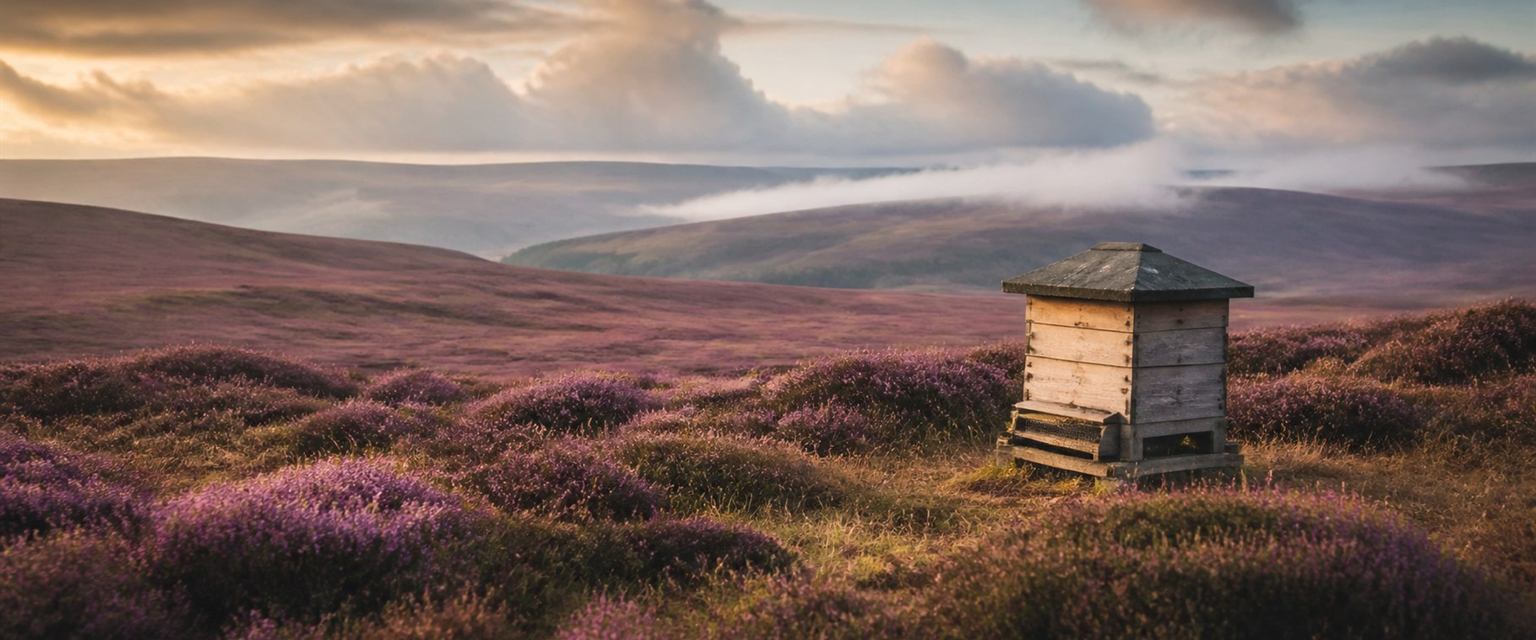
- Raw wildflower, blossom and heather honey each reflect what was flowering near the hive, so taste and texture vary by season and postcode.
- Buying directly from a beekeeper supports pollinator conservation and guarantees the honey hasn't been heated or blended.
If you want to know how to find local honey near me, the most reliable method is to search a dedicated beekeepers' directory or map rather than a generic online search, then check that the jar states the beekeeper's name, apiary location and harvest date. This confirms the honey has travelled only a short distance from hive to table and hasn't been blended with imported honey, which is common practice among mass-market brands.
Why "Local" Actually Matters
Honey takes its flavour, colour and texture from whatever was flowering within a few miles of the hive when the bees foraged. A jar from Kent will taste nothing like one from the Scottish Highlands, because the bees visited different hedgerows, orchards and moorland. Genuine local honey is also raw and unheated, meaning the beeswax, pollen and natural enzymes remain intact. Supermarket blends, by contrast, are often pasteurised and mixed from honey sourced across several countries to keep prices consistent, which strips away much of that regional character. If you're searching for honey near me with any real provenance, you need a source that can tell you exactly which beekeeper, which apiary and which season produced it.
Start With a Beekeeper Directory or Map
The quickest and most trustworthy route is a local honey UK map or directory that lists independent beekeepers by postcode or region. These platforms let you search by area and see who's currently selling, what varieties they have (wildflower, blossom, heather) and sometimes reviews from other customers. Local Honey's beekeepers platform works this way, connecting you directly with small-scale producers near you rather than routing your order through a distributor. Find raw honey from a beekeeper near you and you'll often discover several apiaries within a short drive, each offering slightly different honey depending on what's blooming nearby.
When using any directory, check for:
- The beekeeper's name and apiary location, not just a brand name
- A harvest date or season (spring blossom, summer wildflower, fading-summer heather)
- Confirmation that the honey is raw and unheated
- Reviews or ratings from previous buyers
Visit Farmers' Markets and Farm Shops
Before online directories existed, farmers' markets were the traditional way to buy honey from a local beekeeper, and they remain one of the best. Most market stalls are run by the beekeeper themselves or a close family member, so you can ask directly about the apiary's location, the bees' forage and how the honey was extracted. Farm shops in rural areas often stock honey from beekeepers within a few miles, sometimes with the producer's name handwritten on the label. The Royal Horticultural Society and local tourist board websites often list seasonal markets in your county, which is a good starting point if you're unsure where to look.
Check Village Shops, Delis and Community Noticeboards
Smaller beekeepers, especially hobbyists with just a few hives, often sell honey through village shops, delis or even an honesty box outside their garden gate. These informal sales rarely appear in search engines, so it pays to keep an eye on community noticeboards, parish newsletters and local Facebook or Nextdoor groups. Searching
Find raw honey from a beekeeper near you
Written with the help of AI for Local Honey, championing pure, raw honey from independent British beekeepers.
This article is for general information and is not medical advice.
Frequently asked questions
What's the difference between local honey and supermarket honey?
Local honey comes from a known beekeeper and a specific apiary, is usually raw and unheated, and reflects the flowers in that particular area and season. Supermarket honey is often a pasteurised blend of honey sourced from multiple countries, which standardises flavour but removes much of the regional character and some of the natural enzymes and pollen.
How do I know if honey is genuinely local and not relabelled imported honey?
Check that the label names the beekeeper and apiary location, includes a harvest date, and states the honey is raw and unheated. If a product only says 'produced in the UK' without naming a beekeeper, it may be blended with imported honey, which is legal under current labelling rules but not the same as buying directly from a local producer.
Is raw honey better than heated or pasteurised honey?
Raw honey retains natural enzymes, pollen and a fuller flavour because it hasn't been heated to high temperatures or finely filtered. Many people prefer it for taste and because it's minimally processed, though both raw and pasteurised honey are safe to eat.
Can I find honey from a beekeeper near me without visiting a market?
Yes. A dedicated beekeepers' platform or local honey map lets you search by postcode and see which independent beekeepers are selling nearby, so you can order wildflower, blossom or heather honey without needing to attend a market in person.
Ready to taste the real thing?
Find raw, unheated honey from an independent beekeeper near you.
Find a beekeeper